Bay Leaf Tea: Recipe and Wellness Guide
Introduction
Bay leaf tea is a simple, aromatic infusion made from the leaves of the bay laurel (Laurus nobilis). It has a warm, slightly floral and herbal aroma and has been used traditionally to support digestion, soothe mild discomforts, and add flavor to meals. Below you’ll find a step-by-step recipe, suggested serving sizes, potential benefits, and clear safety notes for pregnant people and children, plus a few easy variations using honey, lemon, and ginger.
Ingredients and Equipment
- 1 to 3 bay leaves (fresh or dried) per cup
- 1 cup (240 ml) water per serving
- Optional: honey, lemon, fresh ginger
- Small saucepan or kettle, mug, strainer

Step-by-Step Recipe
- Measure leaves: Use 1 medium bay leaf for a mild cup or up to 3 leaves for a stronger cup. If using fresh leaves, you can bruise them slightly to release more flavor.
- Heat water: Bring 1 cup (240 ml) of water to a gentle boil in a saucepan or kettle.
- Simmer: Add the bay leaves to the boiling water, reduce heat, and simmer for 5 to 10 minutes depending on desired strength. For a lighter brew, 5 minutes is fine; for a full-bodied infusion, simmer up to 10 minutes.
- Steep: Remove from heat and let the leaves steep in the covered pot for another 3 to 5 minutes to retain volatile oils and aroma.
- Strain and serve: Strain the tea into a cup. Taste and adjust with optional ingredients.
Serving Sizes and Frequency
Suggested serving sizes and frequency:
- Adults: 1 cup (240 ml) once or twice daily. If you enjoy it, up to 2 cups per day is generally considered moderate for occasional use.
- Children (6 years and older): 1/2 cup (120 ml) once daily. Use a mild brew (1 small leaf per cup or diluted adult brew).
- Infants and toddlers under 2 years: Not recommended without pediatrician approval. Their systems are more sensitive and small doses can have stronger effects.
Variations
Try these simple variations to change the flavor and add benefits:
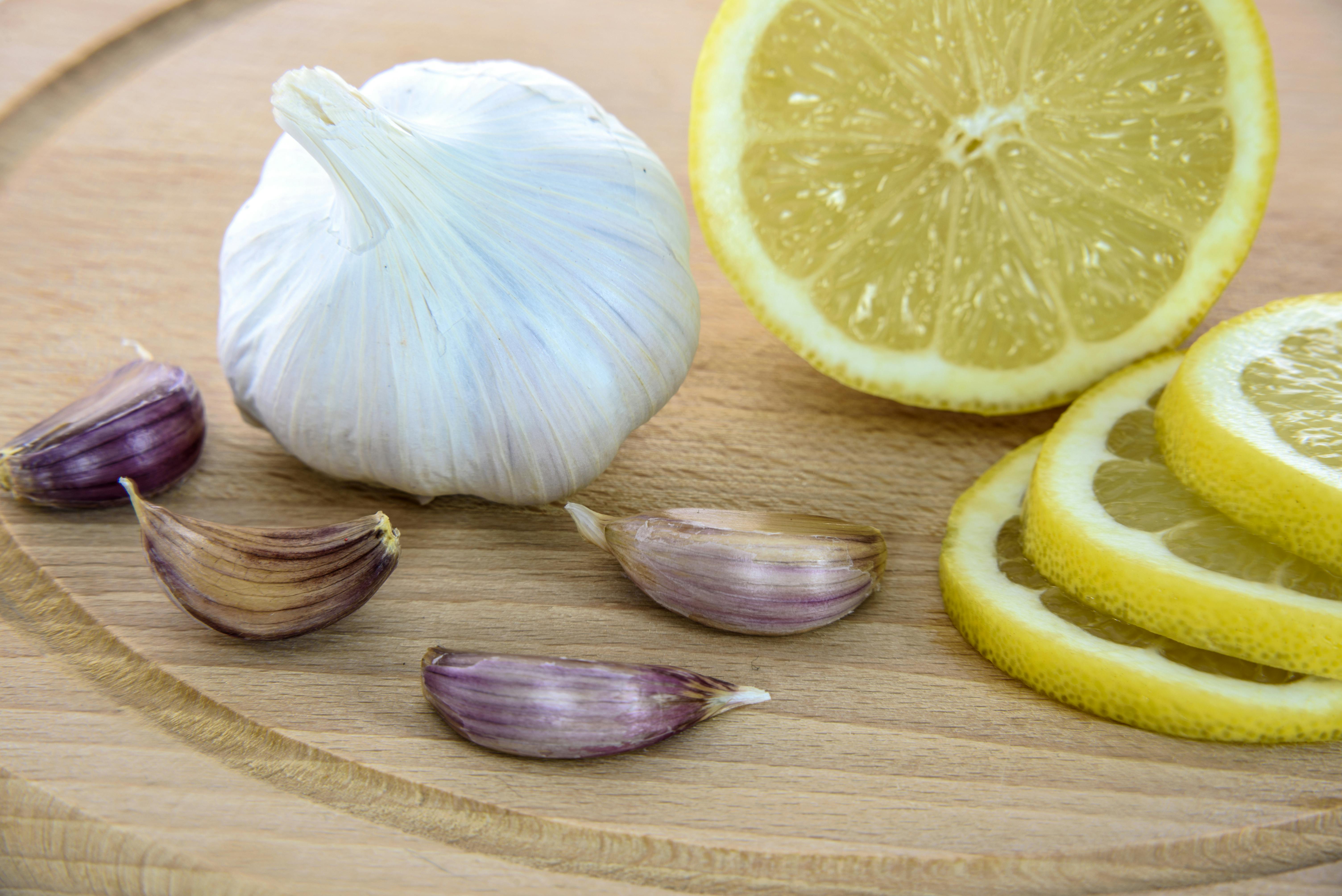
- Honey and Lemon: After straining, add 1 tsp of honey and a squeeze of lemon for a soothing, bright cup.
- Ginger Bay Tea: Add 1 to 2 thin slices of fresh ginger to the water with the bay leaves. Simmer together for added warmth and digestive support.
- Chilled Infusion: Make a larger batch, cool, and serve over ice with lemon slices for a refreshing summer drink.
Potential Benefits
Bay leaf tea has been used traditionally for several purposes. While scientific evidence is limited, potential benefits include:
- Digestive support: May help soothe mild indigestion, bloating, and gas when consumed in moderate amounts.
- Anti-inflammatory and antioxidant properties: Bay leaves contain compounds like eugenol and other phytochemicals that have antioxidant and mild anti-inflammatory activity.
- Flavor and relaxation: The warm aroma and taste can be calming and support a relaxing ritual.
- Blood sugar considerations: Some preliminary studies suggest bay leaf compounds may help with glucose metabolism, but more research is needed; they should not replace prescribed treatments.
Safety Notes — Pregnant People
Safety during pregnancy is a common concern. Key points:
- Culinary amounts: Drinking a cup or two of bay leaf tea made from whole culinary bay leaves is generally considered low risk for most pregnant people. However, evidence is limited.
- Avoid concentrated extracts or essential oils: These forms are concentrated and have different effects; they should be avoided during pregnancy unless directed by a healthcare provider.
- First trimester caution: If you are pregnant, especially in the first trimester, check with your healthcare provider before using herbs regularly. Individual medical histories vary, and some practitioners advise extra caution early in pregnancy.
- Interactions: If you are taking prescription medications, particularly blood sugar-lowering drugs or anticoagulants, consult your clinician because of possible interactions.
Safety Notes — Children
Children’s bodies react differently than adults. Follow these guidelines:
- Age limits: Avoid giving bay leaf tea to infants and toddlers under 2 years unless directed by a pediatrician.
- Start small: For older children (6+), offer a small, mild cup (about 1/2 cup) and watch for any adverse reactions such as gastrointestinal upset or allergy signs.
- Allergy and sensitivity: Although uncommon, some people may be sensitive to bay leaf compounds. Discontinue use if rash, breathing difficulty, or other concerning symptoms occur.
Interactions and Precautions
General precautions:
- Medication interactions: People on blood thinners, diabetes medications, or who have planned surgery should consult a healthcare provider about herb-medicine interactions.
- Chronic conditions: If you have a chronic medical condition, check with your clinician before adding regular herbal infusions to your routine.
- Quality: Use culinary bay leaves from a reputable source. Avoid leaves from unknown plants—only use Laurus nobilis (true bay leaf).
Batch Brewing and Storage
To make a larger batch: use about 5 to 6 bay leaves per liter of water, simmer 8 to 10 minutes, then cool and store in the refrigerator for up to 48 hours. Reheat gently or serve chilled. Discard if the infusion develops off smells or cloudiness.
Final Notes
Bay leaf tea can be a comforting and flavorful herbal drink when used sensibly. Keep portions moderate, avoid concentrated forms during pregnancy, and consult a healthcare provider for children, pregnant people, or anyone with health conditions or medications. If you try a variation you love — honey, lemon, or ginger — consider noting how your body responds and adjusting strength or frequency accordingly.
If you have questions or personal experiences with bay leaf tea, share them in the comments below.